
SHDF Wave 2.1 – Fabric & Fenestration Upgrade

SHDF Wave 2.1 – Fabric & Fenestration Upgrade
Anselm Avenue Bury St Edmunds, Suffolk
Client – Havebury Homes
Programme – Social Housing Decarbonisation Fund (SHDF) – Wave 2.1 Main
Main Contractor – EON
External Wall Insulation (EWI) – Cornerstone
Location
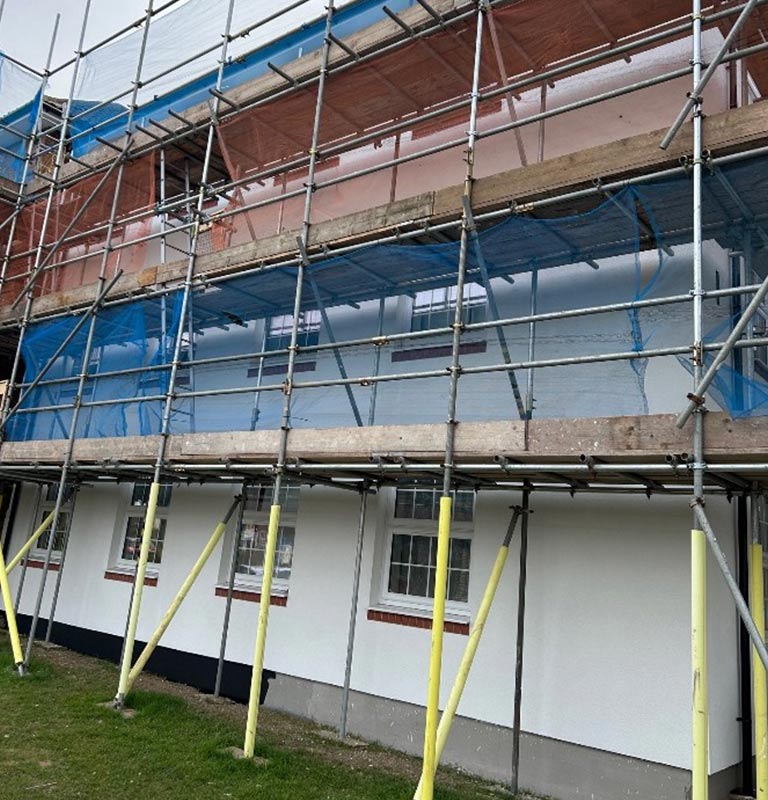
Anselm Avenue (primary referenced site), with adjacent works delivered across Anselm Road and Anselm Close, Bury St Edmunds, Suffolk.
Project Scale
- 42 properties
- 7 residential blocks
- Occupied social housing
- Traditional solid-wall construction
Project Context & Objectives
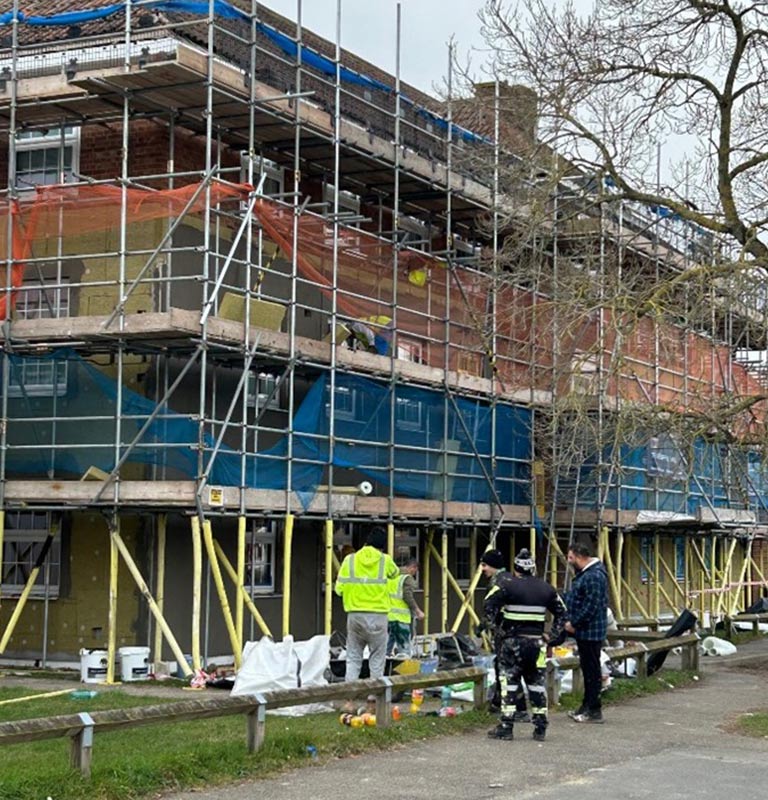
This project formed part of Havebury Home’s SHDF Wave 2.1 delivery programme, adopting a whole-house, fabricfirst retrofit strategy to improve thermal performance, reduce energy demand, and address long-term comfort and health outcomes for residents.
The Anselm Avenue estate was selected for comprehensive upgrade works, combining external wall insulation, fenestration replacement, and ventilation improvements to ensure that gains in airtightness were matched by appropriate moisture and air-quality control.
Asset Fineline was appointed to deliver the window and door replacement works, ensuring compatibility with the wider retrofit measures and compliance with PAS 2030 / TrustMark requirements.
Pre-Works Challenges
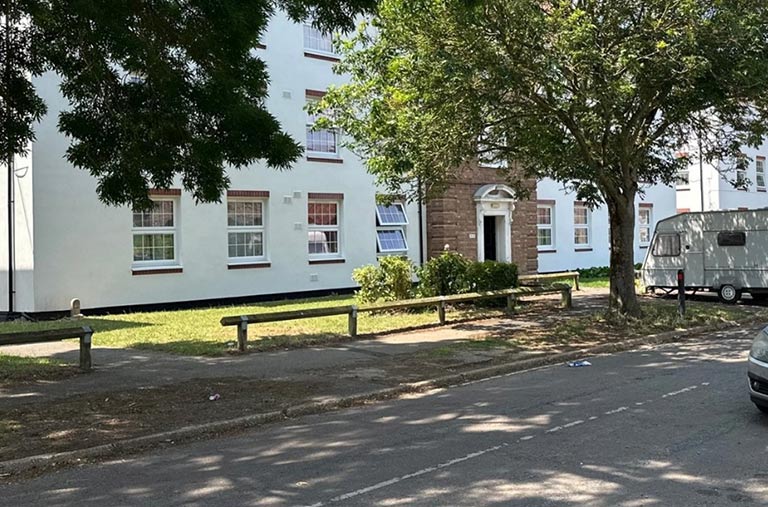
- Legacy windows with poor thermal performance contributing to:
- Heat loss
- Draughts
- Elevated condensation risk
- Solid-wall construction requiring EWI, increasing the importance of:
- Correct window positioning
- Robust detailing at interfaces
- Occupied properties requiring careful sequencing and resident consideration
- Need to balance improved airtightness with adequate background ventilation
Scope of Works – Asset Fineline
Asset Fineline supplied and installed new highperformance PVCu double-glazed windows and doors across all 42 properties.
Key elements included:
- Replacement of existing windows with modern, energy-efficient PVCu double glazing
- Improved air-tightness to reduce uncontrolled heat loss
- Incorporation of background ventilation (trickle vents) to support moisture management
- Careful coordination with EWI installation to ensure:
- Correct setting-out
- Continuity of insulation
- Reduced cold bridging at window reveals
- Installation delivered in line with PAS 2030 and TrustMark expectations for SHDF-funded works
The window and door upgrades were a critical enabling measure, ensuring that the wider fabric improvements achieved their intended performance outcomes.
Associated Retrofit Measures (Delivered by Others)
The fenestration works were delivered as part of a wider, coordinated retrofit package, including:
- External Wall Insulation (EWI) – installed by Cornerstone
- Mechanical and passive ventilation improvements, including:
- Door undercuts
- Electrical extract fans
- Scaffolding to support façade and roof-level works
- Roofing works and associated repairs
- Electrical adaptations to support new systems
- Gas vent enclosures and installations
Overall coordination, sequencing, and compliance oversight were managed by EON as Retrofit Coordinator.
Outcomes & Benefits
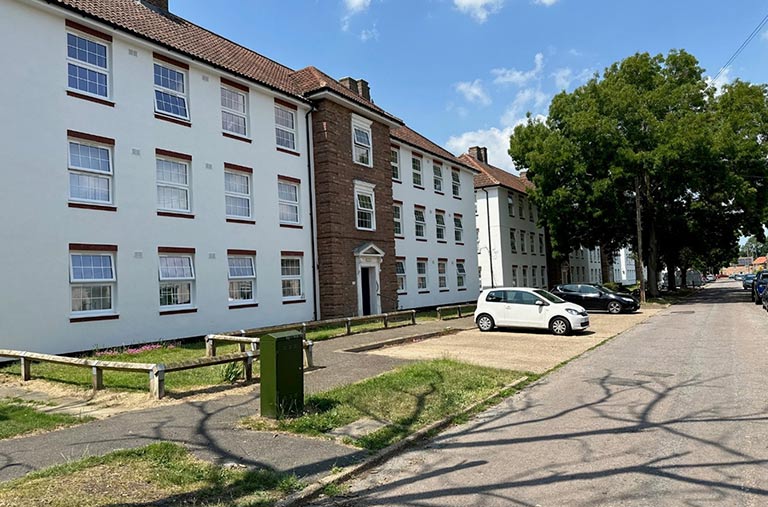
While full post-works SAP and EPC data sits within the Retrofit Coordinator’s reporting, the contribution of the window and door replacements delivered clear benefits:
- Reduced heat loss through the building envelope
- Improved internal comfort and reduced draughts
- Lower condensation risk following EWI installation
- Enhanced durability and weather performance of the façade
- Improved indoor air quality through controlled background ventilation
- Contribution toward EPC uplift and SHDF compliance objectives
The integration of fenestration upgrades with EWI and ventilation measures ensured a balanced, fabric-first retrofit, aligned with SHDF policy intent and long-term asset management goals.
Key Lessons & Best Practice (Internal)
- Early coordination between fenestration installer, EWI contractor, and Retrofit Coordinator is critical to avoid interface risks.
- Background ventilation should be considered integral to window replacement on SHDF schemes, not an afterthought.
- Window positioning and reveal detailing materially affect thermal bridging outcomes on solid-wall properties.
- Occupied-property delivery benefits from clear sequencing and resident communication, particularly where multiple trades are involved.
Why this project matters
This scheme demonstrates how windows and doors are not a “bolt-on” upgrade, but are delivered as a core fabric measure within a coordinated SHDF Wave 2.1 retrofit programme, directly supporting energy efficiency, resident comfort, and long-term decarbonisation objectives.
Category:
Asset Fineline Case Studies